


Copyright 2026 - Custom text here

Depression and mood swings are often secondary signs of deeper imbalances and may be connected to other areas of health. In many cases, underlying nutritional deficiencies can contribute to emotional lows and should be addressed promptly. In other instances, nervous system depletion or dysregulation may lead to fluctuations in one’s mental and emotional state.

Additional contributing factors may include hormonal imbalances, chronic stress, or improper dietary and lifestyle habits. According to Ayurveda, there are different types of low mood and emotional heaviness, each with its own causes and corresponding traditional therapeutic approaches.

Whether one experiences a subtle sense of sadness or a persistent emotional heaviness, traditional systems of healing offer holistic methods of support. When an individual is motivated and willing to implement dietary adjustments, adopt grounding lifestyle routines, and take herbal preparations traditionally used to uplift mood, meaningful progress is often possible.   

"Client experiences shared here are anecdotal and reflect individual outcomes. No therapeutic results are implied."

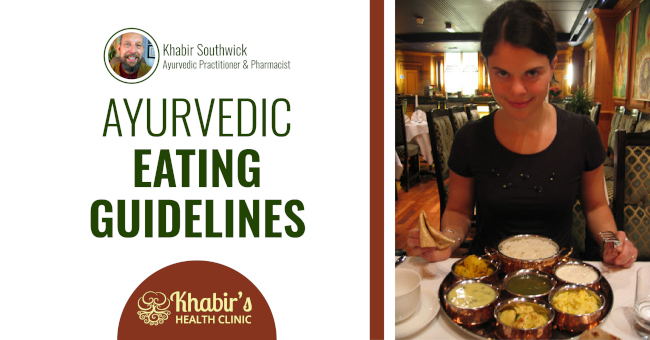
Ayurveda Eating Guidelines

  • Do not drink iced or cold water especially during meals;  only have small amounts of room-temperature water or warm water or tea with a meal.

  • Only fill 3/4 of your stomach; one half with food, one quarter with liquid, and leave one quarter empty. This allows space for movement of the enzymes which aids in digestion.

  • Generally, it is easier to digest cooked, warm, soupy meals than cold, dry and solid foods.  Warmth stimulates the digestive tract.

  • It is best to wait to eat when the previous meal has been well digested so wait at least 3 hours.

  • Try to eat at fixed times but only if hungry.
  • Do not to eat between meals especially nuts, crackers chips and other dry foods. except fruits and juices. 
  • Don't have fruits with meals with the exemption of lemon or lime or small amounts of dried fruits.
  • Fruits and juices between meals is OK when a little hungry but not right before or right after a meal.

  • Add ginger or black pepper to meals, or sip ginger water after meals to aid digestion.

  • Avoid processed foods and foods cooked in a microwave. They are depleted of nutrition and produce toxins in the body.

  • Avoid excessive intake of caffeine as it can create toxins and inflammation; try to stick with herbal teas.

  • Use spices which promote health, such as cumin, coriander, fennel, saffron, black pepper, turmeric, cinnamon, cardamom, cloves, mustard seeds, nutmeg, all fresh herbs, onions, ginger, and garlic.

Ayurvedic Dietary Services by Khabir 

Client testimonials regarding Ayurvedic Dietary Services

         

Khabir Southwick is available for consultations remotely via Zoom, offering his expertise to clients worldwide.

 Fees and Health Assessment Forms

Call or text 888-611-0878 for more information.  For general inquires: email support @ KhabirsClinic .com

Disclaimer:

Disclaimer: Khabir’s Health Consulting, LLC (WY), DBA Khabir’s Clinic, provides non-medical, educational services rooted in traditional natural health systems such as herbalism, nutrition, and Ayurveda. Khabir Southwick is not a licensed physician, and no diagnosis, treatment, or cure is offered or implied. All services and recommendations are strictly informational and educational in nature. Clients are responsible for their own health decisions and are encouraged to consult a licensed medical provider for any health concerns.

 Complete Disclaimer.  Privacy Policy

© 2009-2023 Khabir Southwick