



Copyright 2026 - Custom text here

Depression and mood swings are often secondary signs of deeper imbalances and may be connected to other areas of health. In many cases, underlying nutritional deficiencies can contribute to emotional lows and should be addressed promptly. In other instances, nervous system depletion or dysregulation may lead to fluctuations in one’s mental and emotional state.

Additional contributing factors may include hormonal imbalances, chronic stress, or improper dietary and lifestyle habits. According to Ayurveda, there are different types of low mood and emotional heaviness, each with its own causes and corresponding traditional therapeutic approaches.

Whether one experiences a subtle sense of sadness or a persistent emotional heaviness, traditional systems of healing offer holistic methods of support. When an individual is motivated and willing to implement dietary adjustments, adopt grounding lifestyle routines, and take herbal preparations traditionally used to uplift mood, meaningful progress is often possible.   

"Client experiences shared here are anecdotal and reflect individual outcomes. No therapeutic results are implied."


About Ayurveda

Are you ready to feel healthier?

Have you been struggling with health issues?

Ayurveda is your answer.

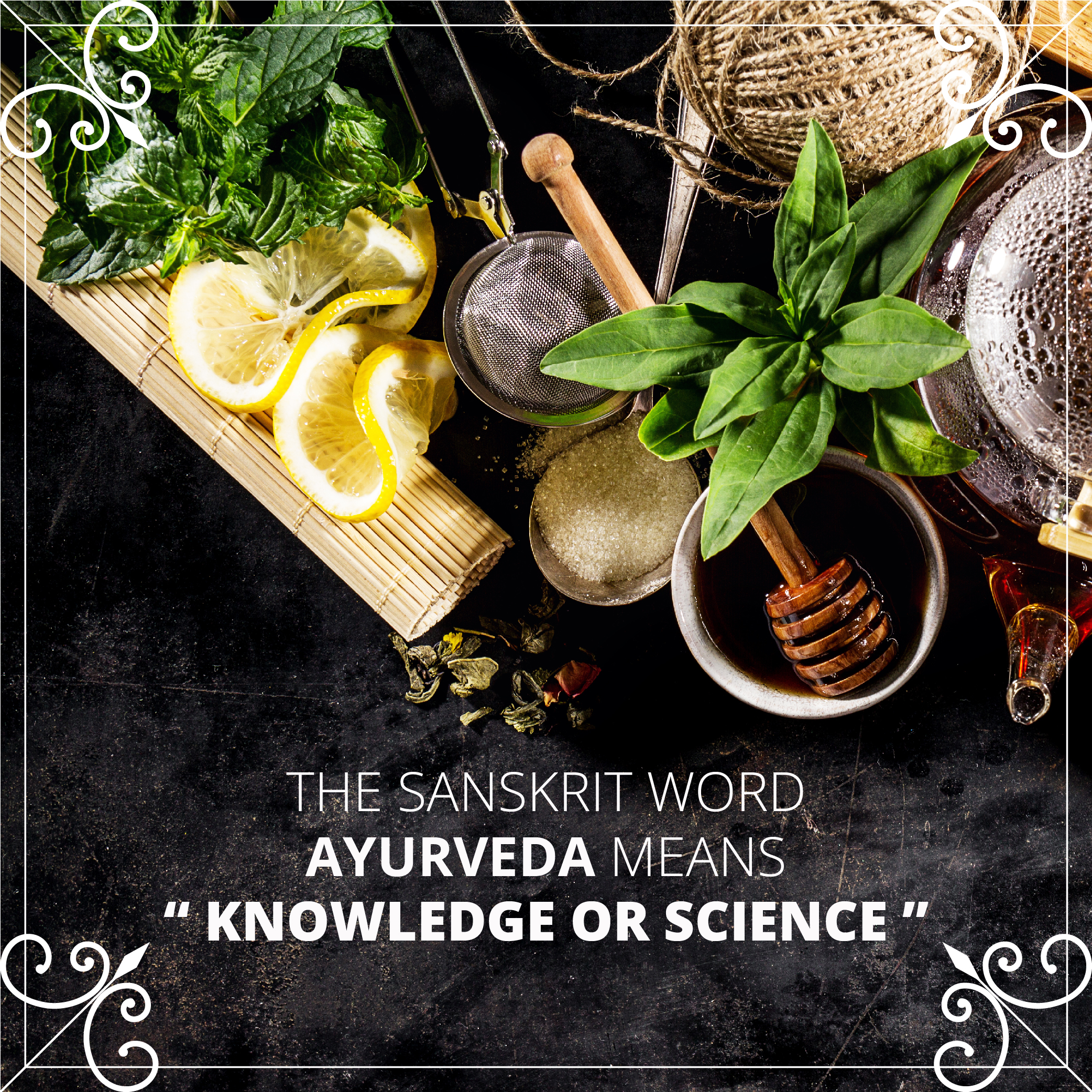
Ayurveda looks at you as a whole system. It seeks to address the root causes of imbalance and helps you make decisions that restore vitality and health. Known as the science of life, Ayurveda sees every person and every part of nature as interconnected. This perspective allows practitioners to recognize patterns and provide natural approaches that include food, lifestyle, and herbal support.

Ancient Ayurveda

Ayurveda, or Ayurvedic medicine, is a holistic tradition from South Asia, particularly India. Its roots stretch back thousands of years—long before written texts— when sages and healers closely observed nature. Over generations, their insights were compiled into a comprehensive health system recorded in the Vedas.

Ayurveda cannot be dated precisely; it evolved gradually as human understanding developed. Ancient texts written 3,000–5,000 years ago preserve this knowledge, but the practices undoubtedly predate them. Observations spanned agriculture, astronomy, and especially the human body and mind—focusing on maintaining health and restoring it when challenged.

The sum of this knowledge is called Ayurveda—the science of life.

Today in India and South Asia, Ayurveda is taught at universities and practiced alongside modern medicine. Government and academic institutions also support ongoing research and development of therapies.

Ayurveda diagnostic

Ayurveda’s most distinctive features are its reliance on natural remedies, its sophisticated system of diagnosis, and its recognition of unique body-mind types.


These body types—called the Tridosha system—include Vata, Pitta, and Kapha. Each person has a unique combination, and maintaining balance requires diet and lifestyle specific to one’s dosha. Knowing this “signature” also highlights areas of vulnerability and helps guid


         

Khabir Southwick is available for consultations remotely via Zoom, offering his expertise to clients worldwide.

 Fees and Health Assessment Forms

Call or text 888-611-0878 for more information.  For general inquires: email support @ KhabirsClinic .com

Disclaimer:

Disclaimer: Khabir’s Health Consulting, LLC (WY), DBA Khabir’s Clinic, provides non-medical, educational services rooted in traditional natural health systems such as herbalism, nutrition, and Ayurveda. Khabir Southwick is not a licensed physician, and no diagnosis, treatment, or cure is offered or implied. All services and recommendations are strictly informational and educational in nature. Clients are responsible for their own health decisions and are encouraged to consult a licensed medical provider for any health concerns.

 Complete Disclaimer.  Privacy Policy

© 2009-2023 Khabir Southwick